
Levant Morocco
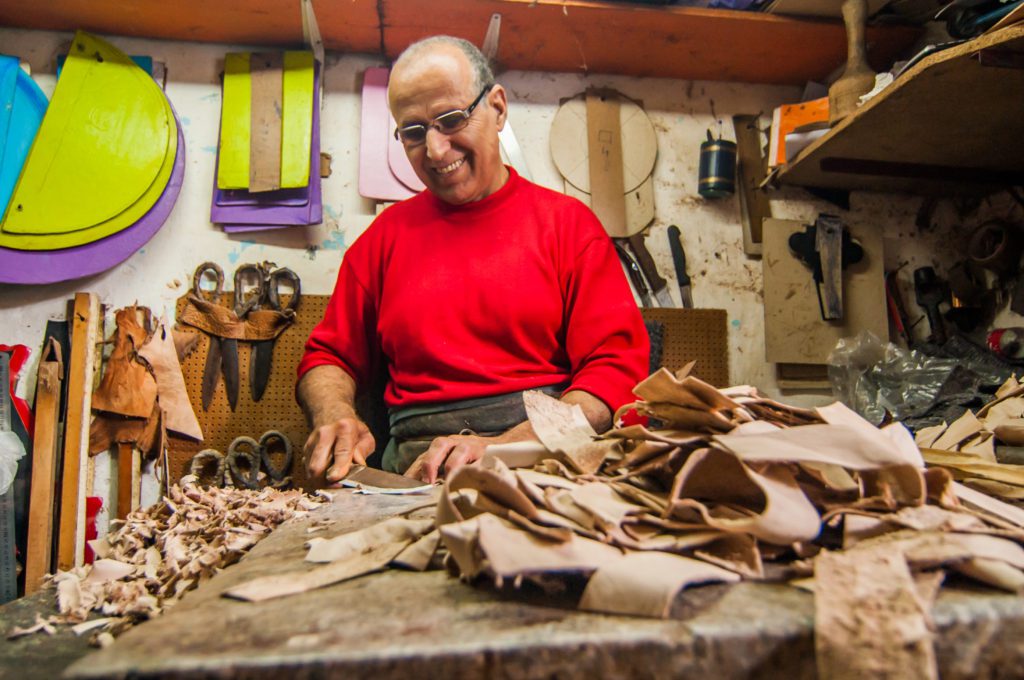
This leatherwork reportage was commissioned by Maroc Export, the Centre Marocain de Promotion des Exportations (CMPE), to promote Moroccan leather goods through the lens of the craft itself: products sold in the local market but also exported abroad, part of the same Made in Morocco export mandate behind Maroc Export’s agri-food reportage elsewhere in this portfolio. The shoot followed a bookbinder’s hands as they gilded the cover of a leather-bound book, catching the gold leaf mid-application under raking light that picked out the texture of the tooling. It moved from there into the souk itself, framing a wall stacked with round leather poufs in their full range of dyed colors, and closed on a hand-stamped nameplate, the kind of small maker’s mark that signals handmade origin. Together the images promote both the craftsmanship behind the product and the export trade it feeds.
Asment Temara
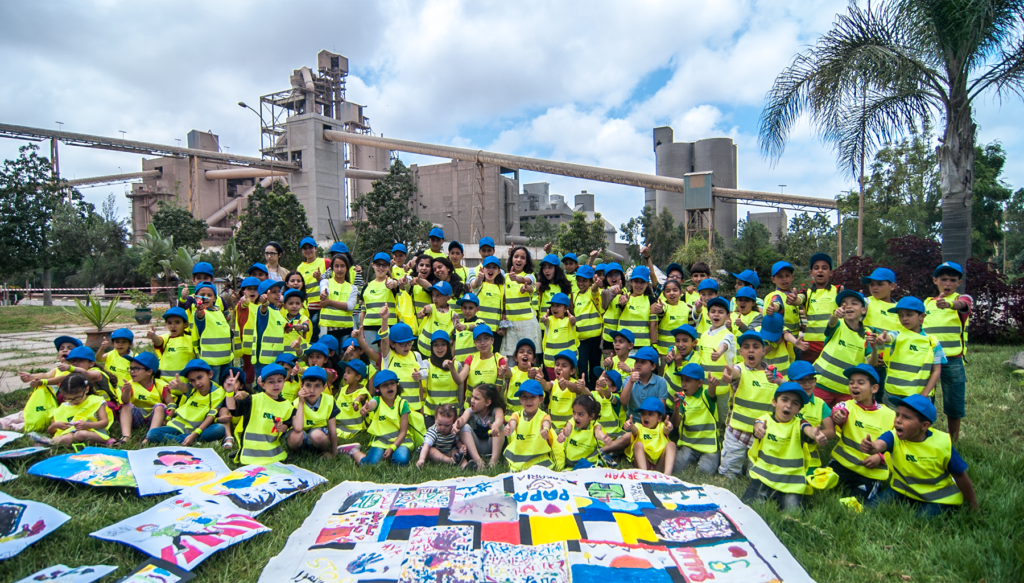
Asment Temara is part of Votorantim Cimentos, the cement arm of Votorantim Group, a Brazilian industrial conglomerate present in more than 20 countries across cement, metals, steel, energy, paper and concentrated orange juice. This reportage covered one of the plant’s community safety days in Temara, an event built to bring workers’ families on-site and reinforce a culture of safety around heavy industry. The coverage followed local families as they moved through the plant grounds, all fitted with the same high-visibility vests required on an active industrial site, turning a serious safety briefing into a family-friendly open day. The images balance the informal, social side of the event, families mingling, kids in oversized vests, with the underlying seriousness of the setting.
Centre Lalla Meriem Ligue Marocaine Pour La Protection de L’Enfance Rabat
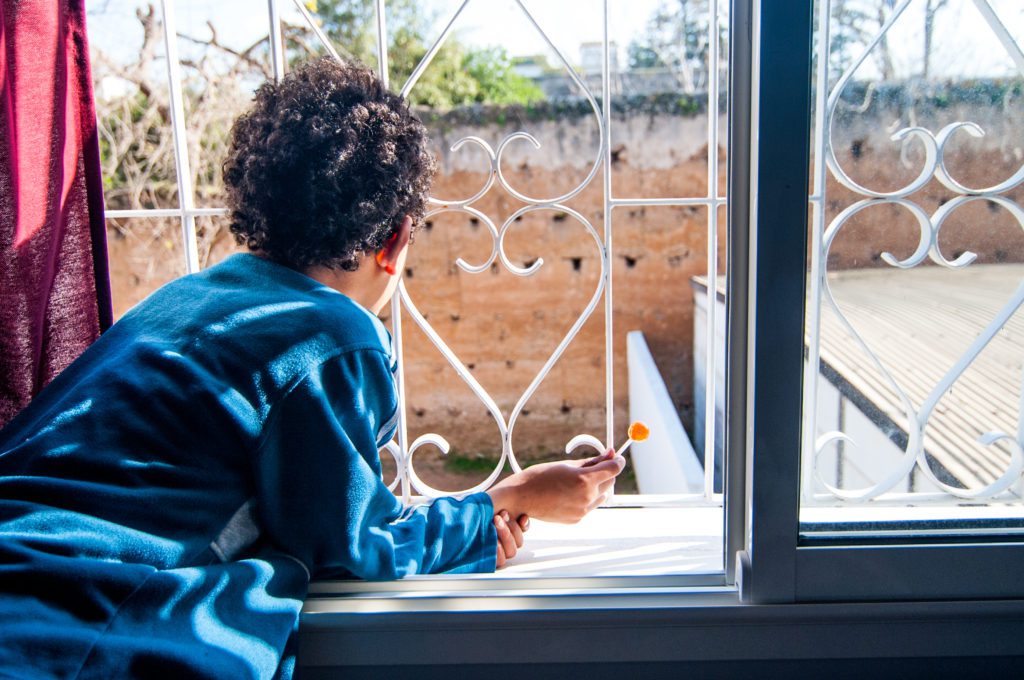
The Centre Lalla Meriem in Rabat is run by the Ligue Marocaine pour la Protection de l’Enfance, one of about 30 such centers across Morocco. On its own, the center cares for roughly 120 babies a year who need a kafala foster family, alongside young children who need schooling, teenagers in school or vocational training, and residents with physical or intellectual disabilities who need daily medical and therapeutic care. This interior series was commissioned to document the physical spaces built for the center’s residents rather than the residents themselves. The shoot moved room to room, photographing the color choices, furniture and layout designed to make each space feel warm and age-appropriate rather than institutional, playrooms, bedrooms and common areas photographed with attention to how light, color and scale were used to soften the setting.
African Development Bank
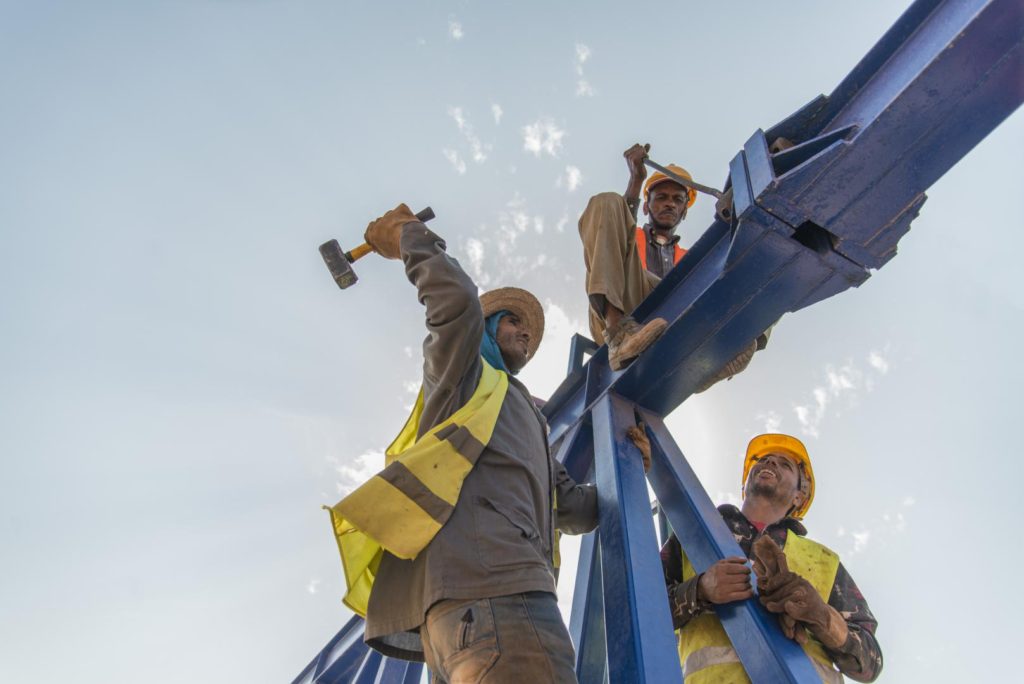
The African Development Bank Group, founded in 1964 and made up of the Bank itself, the African Development Fund and the Nigeria Trust Fund, is a multilateral development finance institution whose mission is fighting poverty and improving living conditions across Africa by channeling public and private investment into projects with strong development impact. This reportage covered one of its energy infrastructure projects in Morocco. The shoot documented the project at working scale: a construction crane in motion on an active site, wide shots of mirrored solar collector fields stretching across the landscape, and interior shots of the control-room teams monitoring plant performance in real time.
Dar Si Said Museum Inauguration
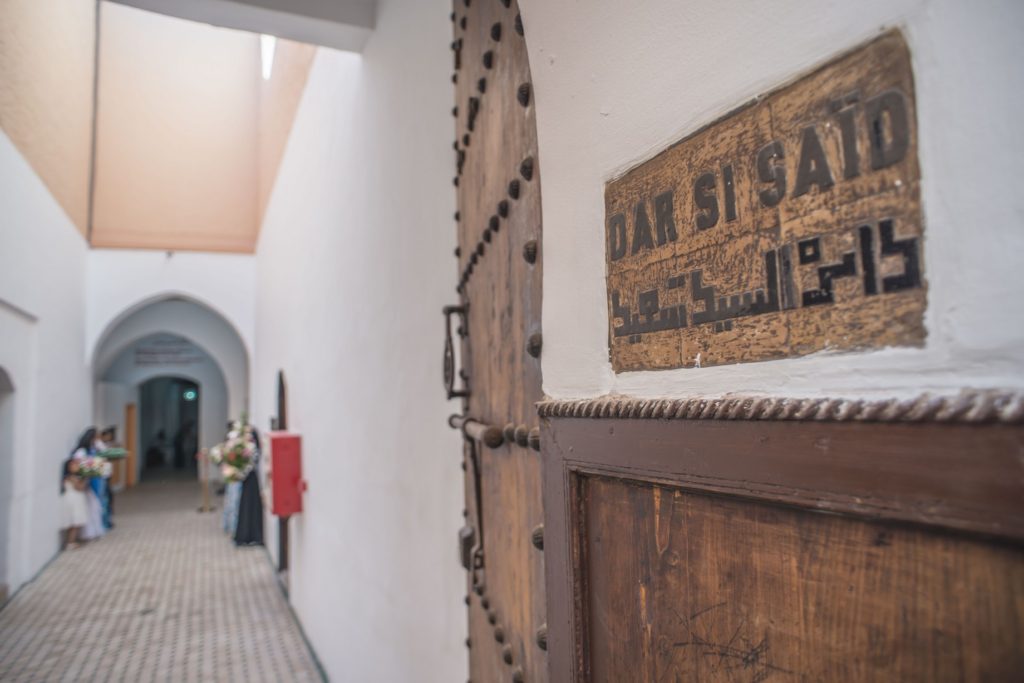
The Dar Si Said Museum, officially the Museum of Moroccan Arts, is Marrakech’s oldest museum and holds the largest collection of artworks in the city. Like Marrakech’s other palaces, it was originally a private residence, in this case belonging to Si Said, brother of the grand vizier Bou Ahmed, and its most striking decoration is concentrated around the courtyard entrance and the upper floor. This macro study was shot for the museum’s inauguration of a new exhibition, focused entirely on the textiles and carpets on display, working close enough to isolate individual weaving patterns, color transitions and knot textures that would be lost in a wider gallery shot.
Stokvis Nord Afrique
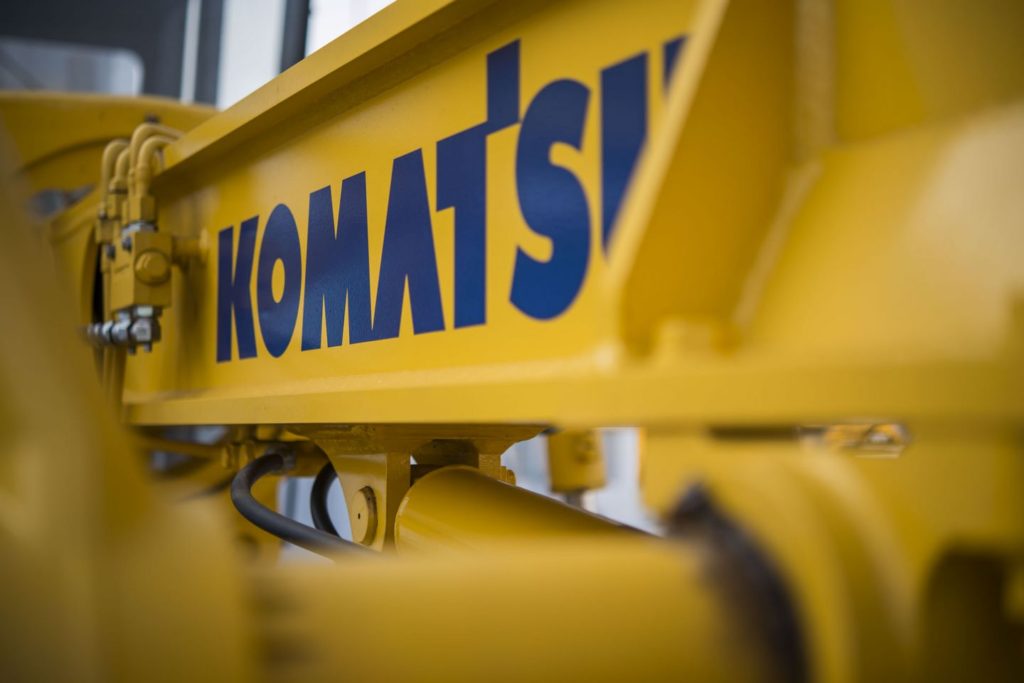
Stokvis Nord Afrique is an import-and-distribution company supplying technical equipment to professionals, founded in 1953 by the Dutch company R.S. Stokvis to establish a commercial foothold in Africa. This was a product detail shoot built to show the engineering behind the machines rather than a full-vehicle catalog shot. The framing stayed tight throughout, grilles, tire treads and metal fittings photographed close enough to show wear-resistant surfaces and mechanical joinery, treating each piece of equipment the way a car brand might treat an engine bay, foregrounding the build quality that a buyer of industrial machinery actually cares about.
GIZ – Promotion de l’emploi des jeunes en milieu rural (PEJ)
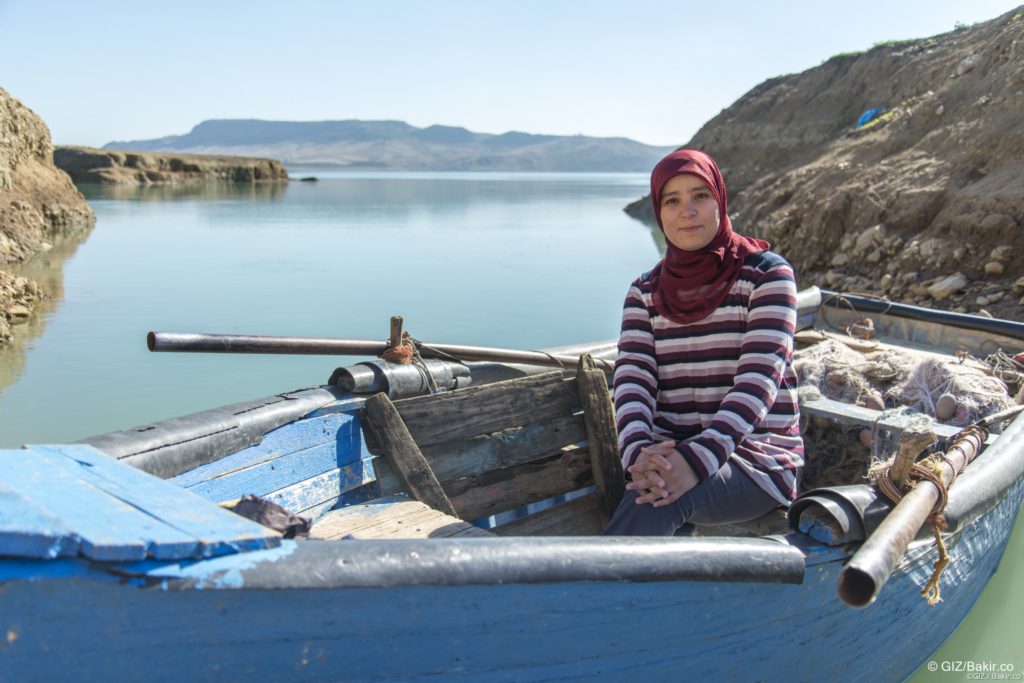
GIZ is Germany’s development agency, and this portrait series covered its Promotion de l’Emploi des Jeunes (PEJ) program. The program responds to a real gap in Morocco’s labor market: despite economic growth, unemployment stood at roughly 10.5 percent overall and 25 percent among youth as of early 2018, with rural underemployment and informal work running much higher than those figures show, and only around 32 percent of rural women holding any job at all. The shoot followed young workers through their actual working day rather than staging portraits in isolation: hillside worksites where the work itself takes place, and the vehicles, often shared transport, that get workers from their village to the job each morning.
Maroc Export
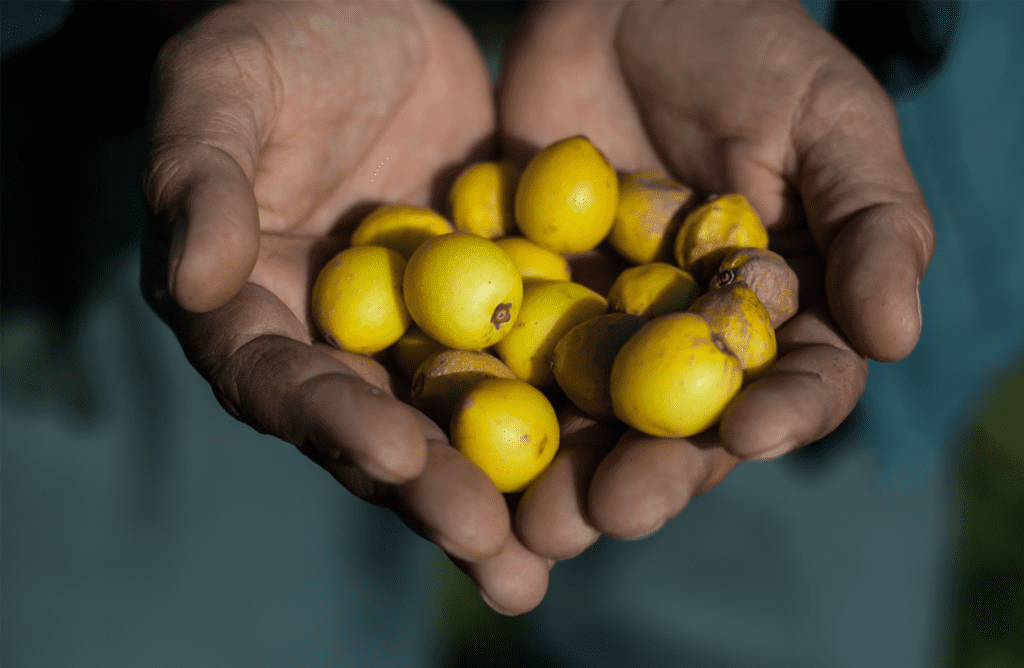
Maroc Export, formally the Centre Marocain de Promotion des Exportations (CMPE), is a Moroccan public institution, financially and administratively autonomous, operating under the Ministry of Foreign Trade. Its mandate is promoting the export of Moroccan industrial and agri-food products and services, the goods and sectors behind Made in Morocco, wherever that role doesn’t already belong to another agency by law. This reportage was built around the people and product behind that mandate: master craftsmen and workers at their trade, and the agri-food products themselves moving toward export. The shoot followed the product from field to shipment: harvest gloves and hands mid-picking, bottling lines running product through to packaging, and olive branches shot to anchor the imagery in the raw agricultural material behind the finished, export-ready goods.
HUAWEI
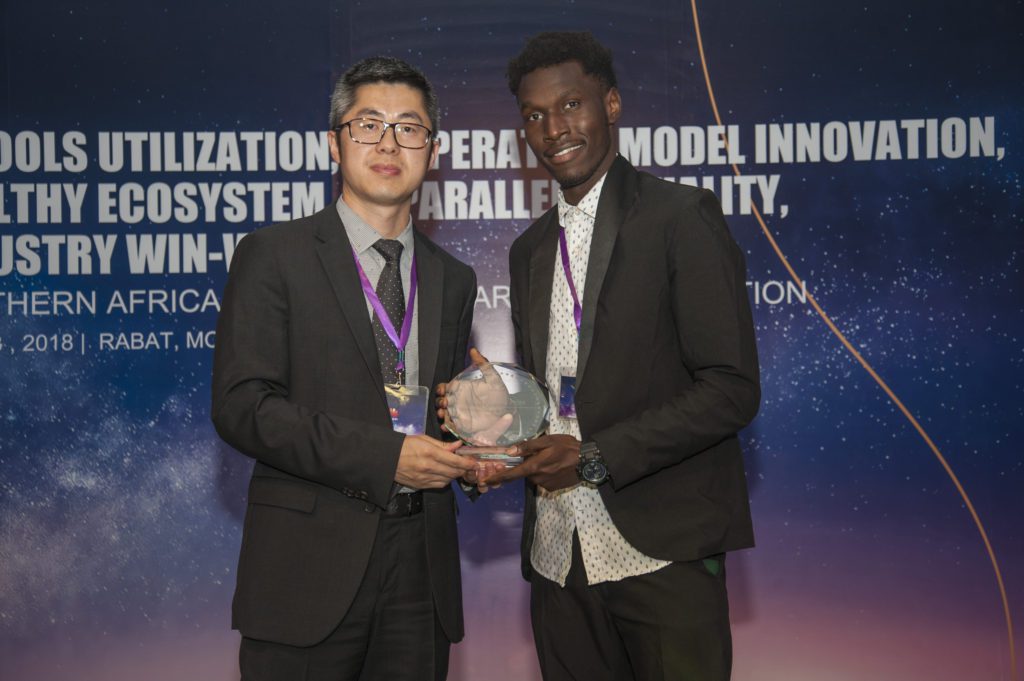
Huawei is a Chinese multinational telecommunications and networking equipment company headquartered in Shenzhen, the largest telecom equipment maker in the world since overtaking Ericsson in 2012, and ranked 72nd on the Fortune Global 500 in 2018. This coverage documented one of its engineering partner conventions for the Africa region. The shoot followed the conference’s formal structure, branded signage and step-and-repeat walls establishing the event’s identity, wide shots of the partner floor, through to its business outcome: the signing of partnership agreements between Huawei and its regional partners, photographed at the moment of signature.
World Refugee Day and asylum seekers | GIZ Morocco
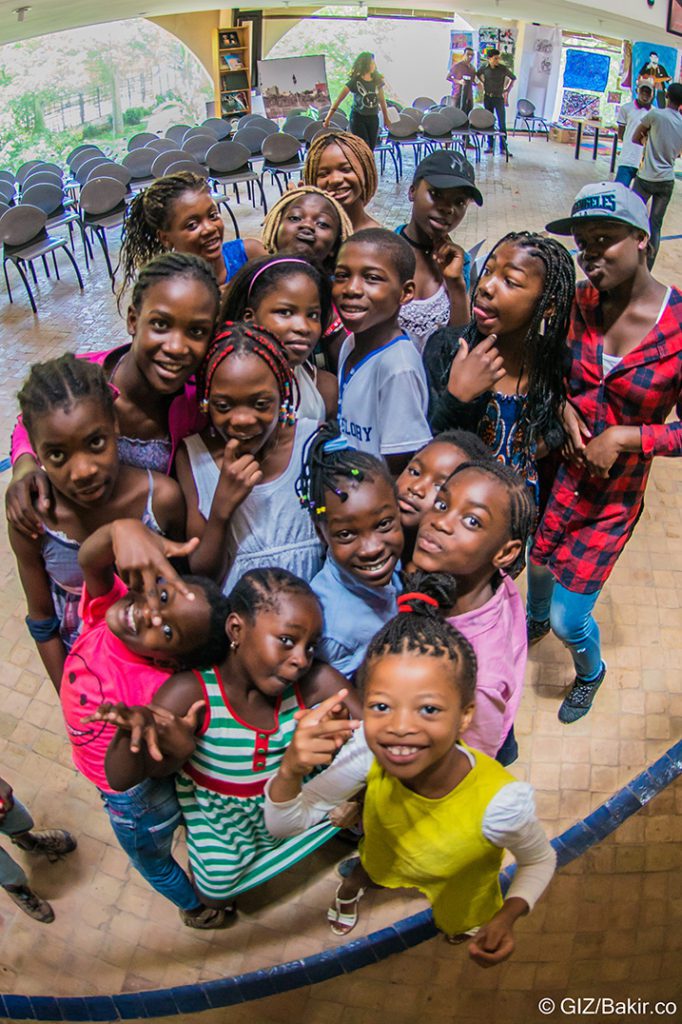
World Refugee Day marks a shift in Morocco’s own migration story: historically a country people left, it has increasingly become a country people arrive in, with the number of asylum seekers roughly tripling in recent years to around 2,937 by April 2015, most coming from Syria, the Democratic Republic of the Congo and Cote d’Ivoire. This event coverage documented a six-day program run by GIZ Morocco and its partners around the occasion. The shoot moved between registers over the course of the program: children’s workshop drawings photographed as flat-lay documentation of the activities on offer, group portraits of participants and organizers, and the signage and banners that marked the celebration’s presence at each venue.